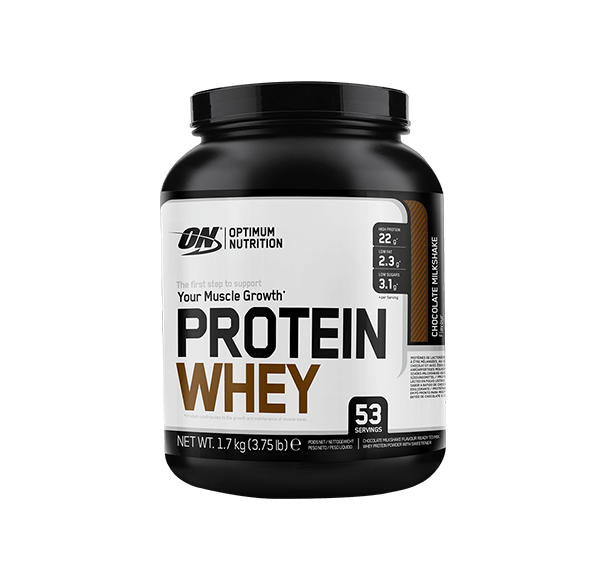




Latest industry reports indicate that China’s plant-based protein food market has reached ¥150 billion in 2025, with plant-based protein powder for fitness emerging as the key growth driver. The market size is expected to surpass ¥450 billion by 2030, achieving a compound annual growth rate (CAGR) of 12.5%. New products such as pea protein and rice protein are rising rapidly—pea-based protein powder has a yearly growth rate of 22.5% due to its low allergenicity, while the market share of traditional soybean-based products has gradually declined to 55%. Fitness enthusiasts’ demand for low-fat, high-protein, and eco-friendly attributes has driven technological innovation: advanced extraction technologies have increased protein utilization by 30%, and production costs continue to decrease.
Latest industry reports indicate that China’s plant-based protein food market has reached ¥150 billion in 2025, with plant-based protein powder for fitness emerging as the key growth driver. The market size is expected to surpass ¥450 billion by 2030, achieving a compound annual growth rate (CAGR) of 12.5%. New products such as pea protein and rice protein are rising rapidly—pea-based protein powder has a yearly growth rate of 22.5% due to its low allergenicity, while the market share of traditional soybean-based products has gradually declined to 55%. Fitness enthusiasts’ demand for low-fat, high-protein, and eco-friendly attributes has driven technological innovation: advanced extraction technologies have increased protein utilization by 30%, and production costs continue to decrease.
Latest industry reports indicate that China’s plant-based protein food market has reached ¥150 billion in 2025, with plant-based protein powder for fitness emerging as the key growth driver. The market size is expected to surpass ¥450 billion by 2030, achieving a compound annual growth rate (CAGR) of 12.5%. New products such as pea protein and rice protein are rising rapidly—pea-based protein powder has a yearly growth rate of 22.5% due to its low allergenicity, while the market share of traditional soybean-based products has gradually declined to 55%. Fitness enthusiasts’ demand for low-fat, high-protein, and eco-friendly attributes has driven technological innovation: advanced extraction technologies have increased protein utilization by 30%, and production costs continue to decrease.
Latest industry reports indicate that China’s plant-based protein food market has reached ¥150 billion in 2025, with plant-based protein powder for fitness emerging as the key growth driver. The market size is expected to surpass ¥450 billion by 2030, achieving a compound annual growth rate (CAGR) of 12.5%. New products such as pea protein and rice protein are rising rapidly—pea-based protein powder has a yearly growth rate of 22.5% due to its low allergenicity, while the market share of traditional soybean-based products has gradually declined to 55%. Fitness enthusiasts’ demand for low-fat, high-protein, and eco-friendly attributes has driven technological innovation: advanced extraction technologies have increased protein utilization by 30%, and production costs continue to decrease.